

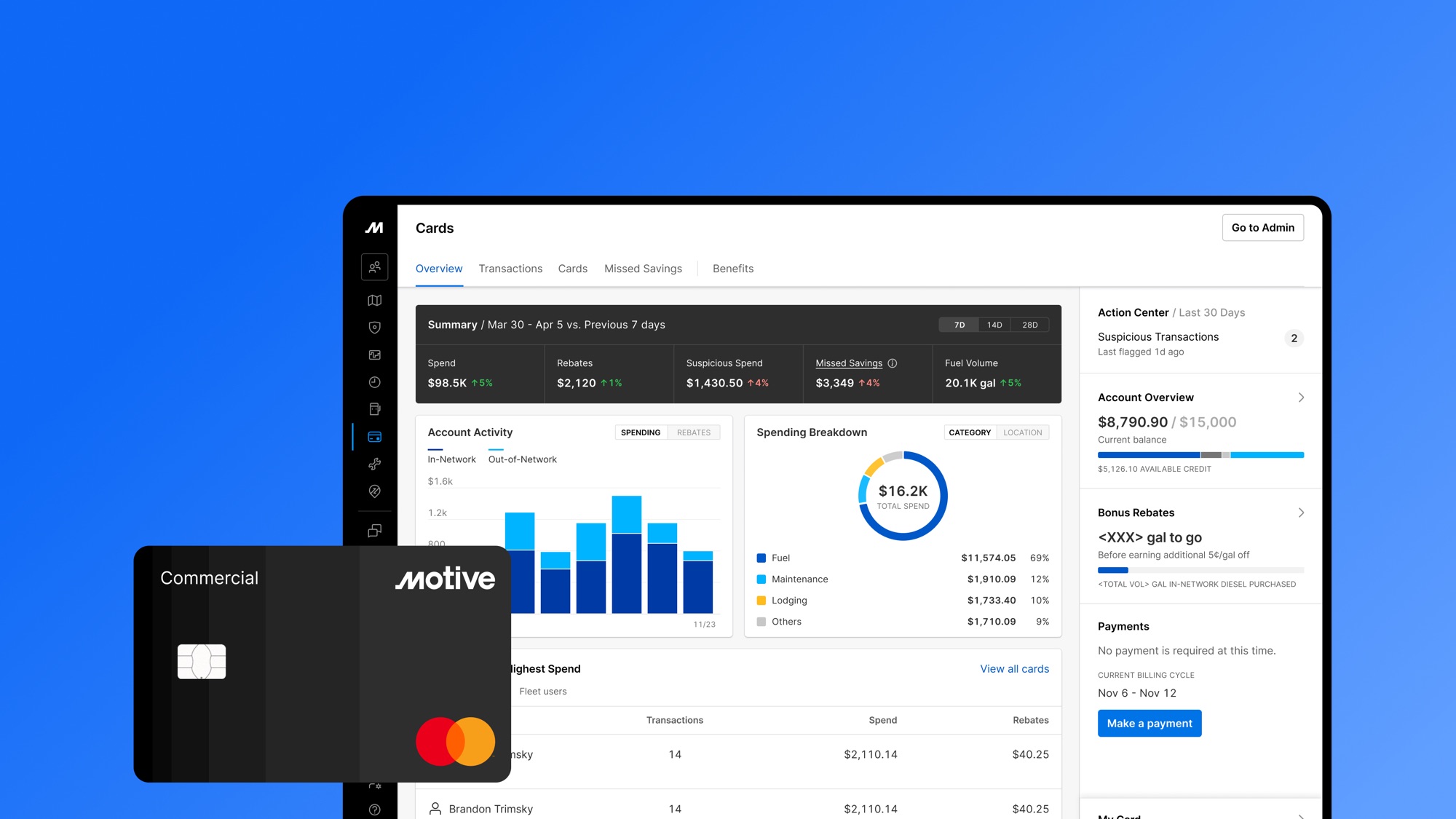
Reducing manual back-and-forth in card ordering with real-time validation
Background
At Motive, I was part of the Motive Cards team, which means I helped improve how customers discover, use, and save with the Motive Card
Discovery
- When I joined Motive in Q4 2024, one thing kept coming up: ordering cards was more complicated and inefficient than it should have been
- We had bits of feedback but no clear picture of what was happening at scale
- I collaborated with my PM, underwriting team and cards team to identify and define the core problems
Problem Statement
High-Level Process Summary
- The customer submits a request for cards
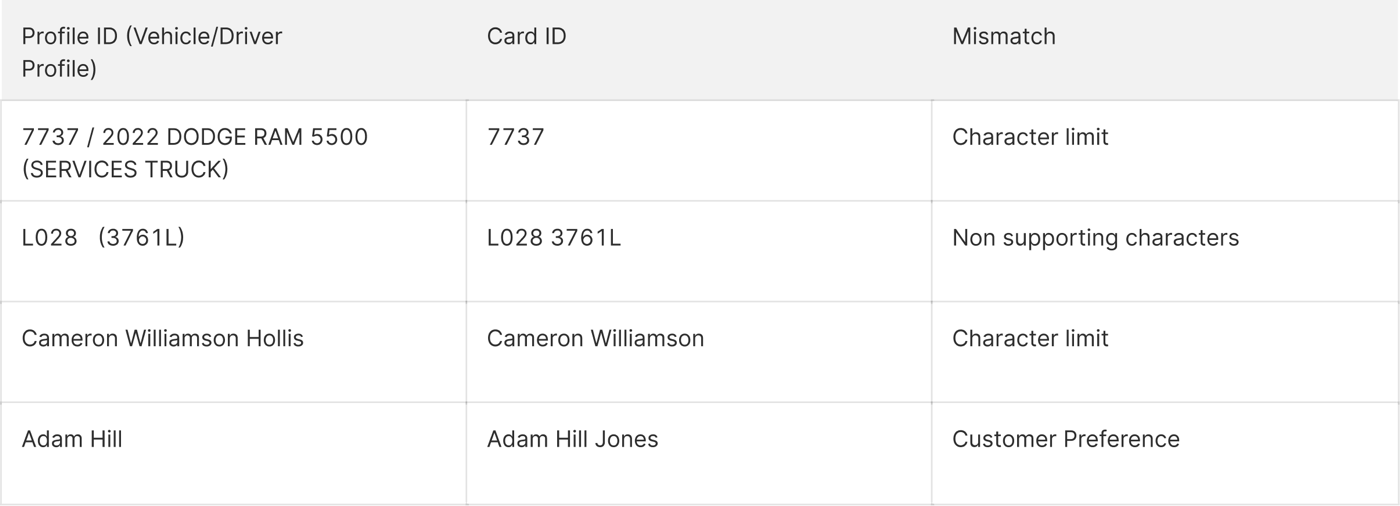
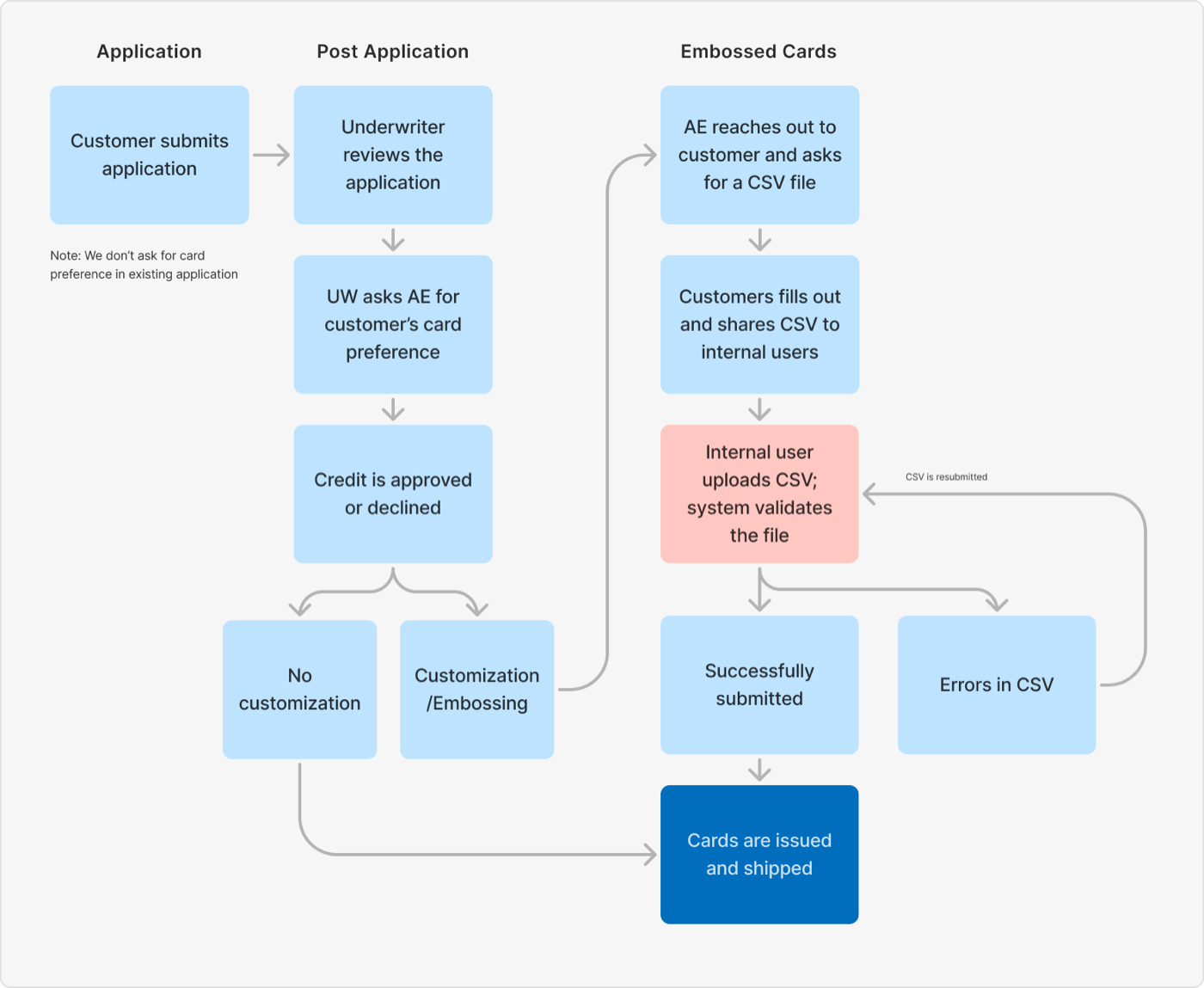
- We ask the customer to fill out a CSV with profile IDs (driver or vehicle ID) and card IDs (what should go on the card). The SOP outlines certain restrictions on what can be used as the card ID
The existing CSV-based workflow lacked several capabilities needed to support a smoother ordering experience:
Where Did the Back-and-Forth Happen?
Error Detection
Customers are not notified of errors in real time
Suggest Correction
The sheet does not suggest corrections or auto-correct any errors
Notify of an unlisted driver or vehicle
The sheet does not notify customers that the card cannot be issued unless the driver or vehicle is in the system
We need to automate this process and build a system smart enough to flag errors, suggest corrections, and notify when an ID is unlisted
Is This Problem Worth Solving?
25% of Card IDs (2,000 out of 8,000) did not match their profile IDs, requiring manual follow-up with customers to correct errors and ensure SOP compliance. This validated that the problem was significant enough to solve
Product Vision
EXISTING
Embossed card ordering via CSV
Multiple steps of back-and-forth communication to flag and correct errors, indicating potential delays
PROPOSED
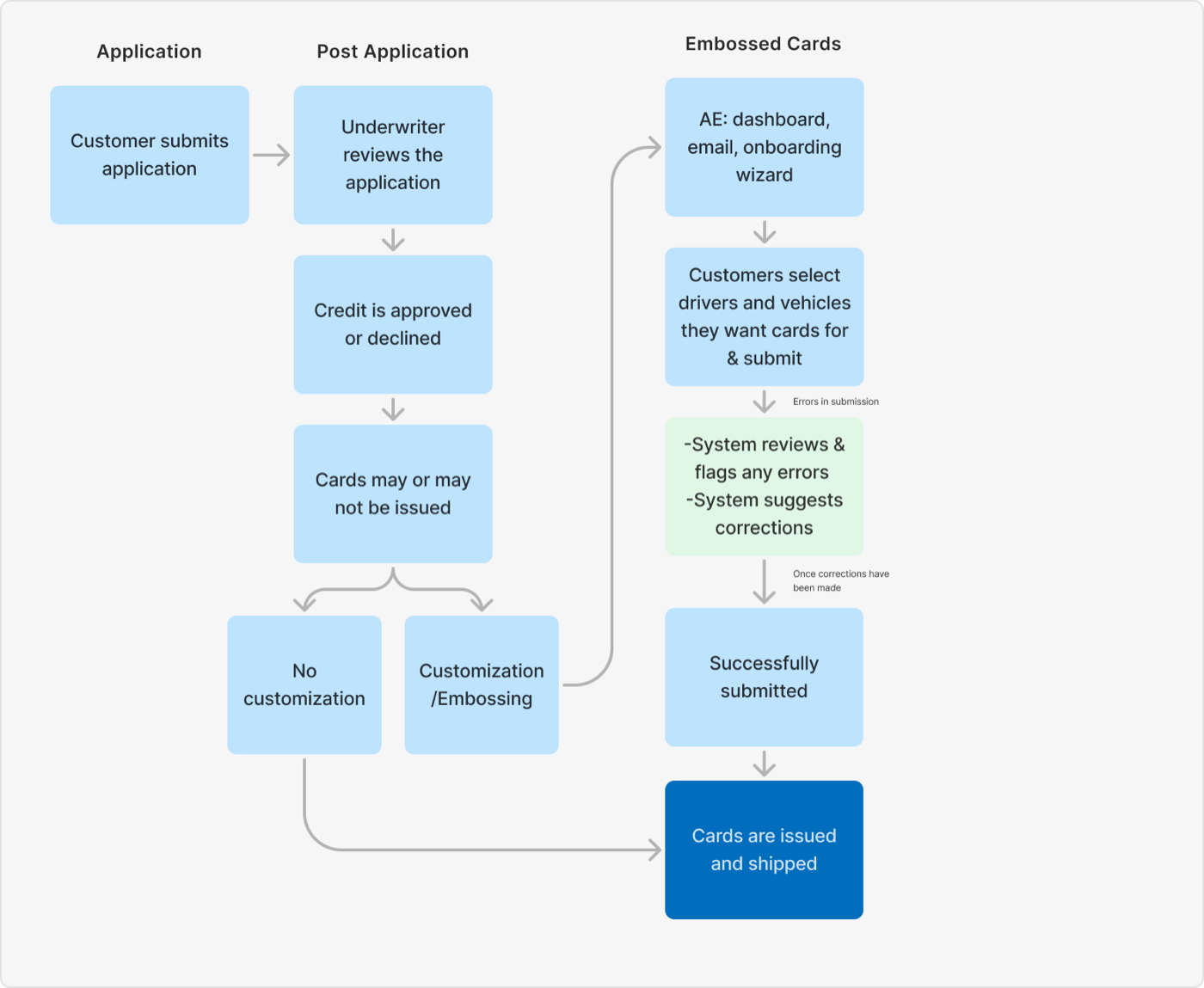
Embossed card ordering via Dashboard
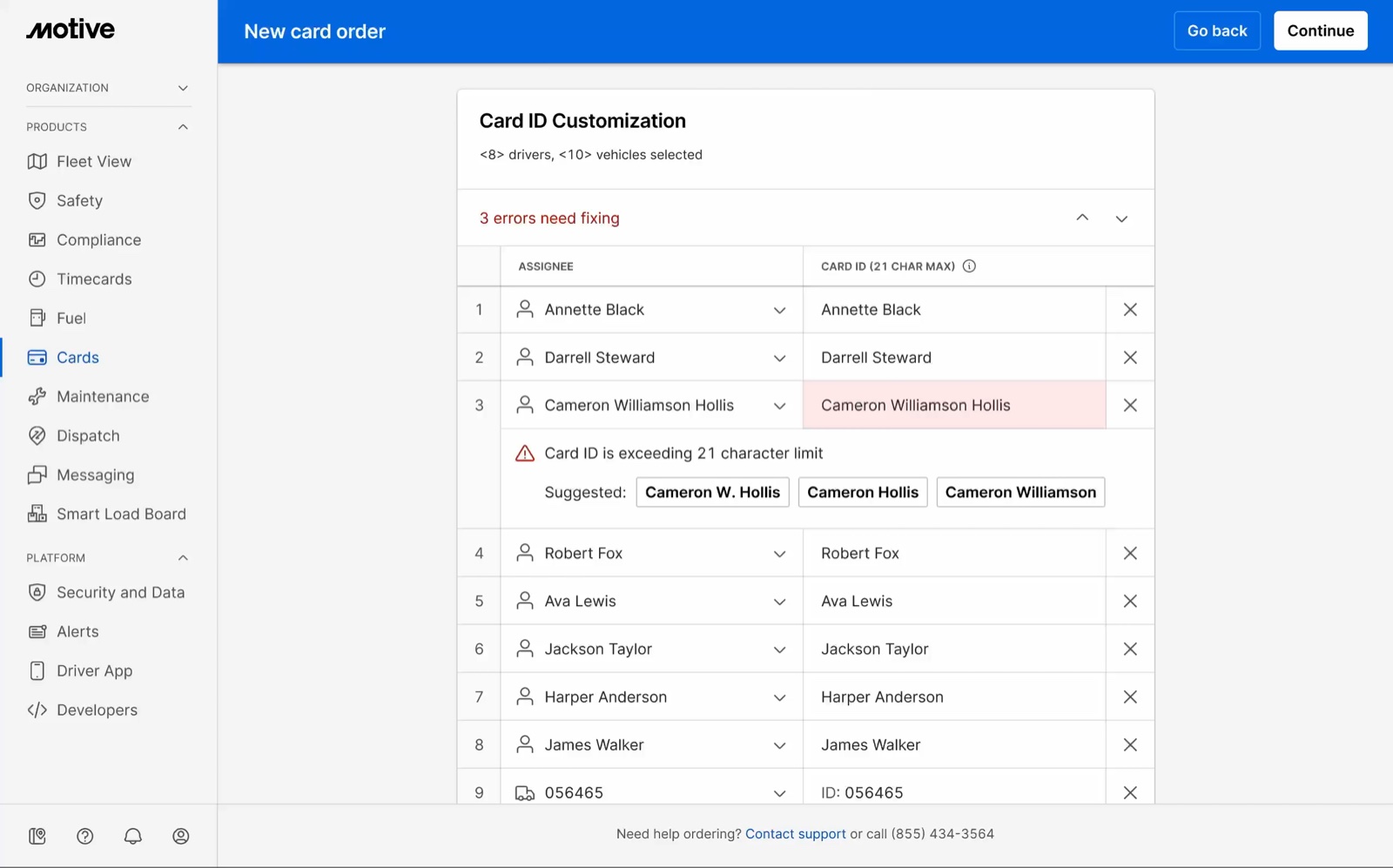
New experience should cut the manual back and forth to flag errors, suggest corrections, and notify when an ID is unlisted in real time
Designing for Self-Serve
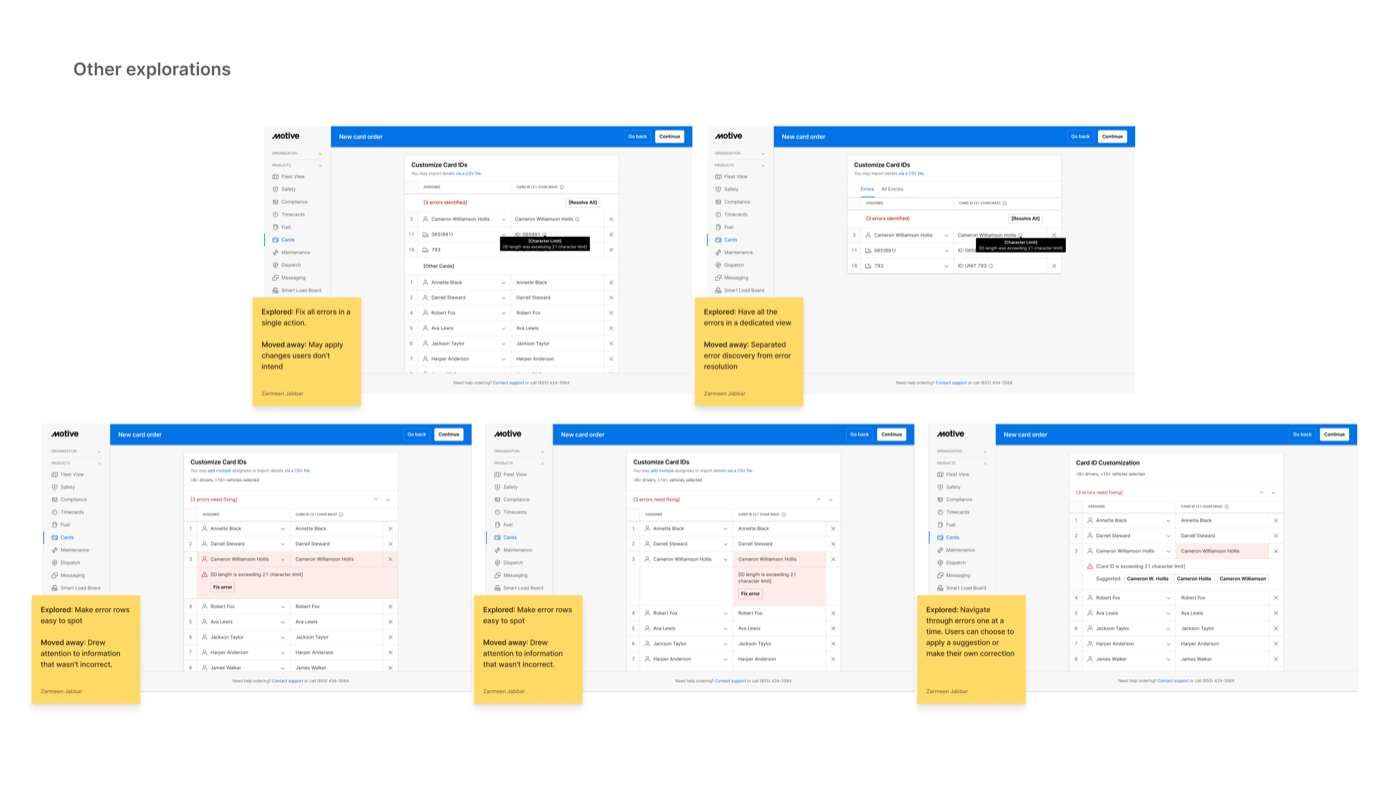
After evaluating multiple concepts with designers and stakeholders, we moved forward with these
Chevron based error navigation
This eliminates the need to manually sift through the entire list to spot errors, by using the chevron to navigate between different errors and fix them
Users are able to review each individual correction suggested by the system
Keeping users in control of corrections
The system suggests corrections for identified errors, but never changes the user’s data on their behalf. Users can choose to apply a suggestion or make their own correction